What Are the Effective Ways to Reduce Stress?
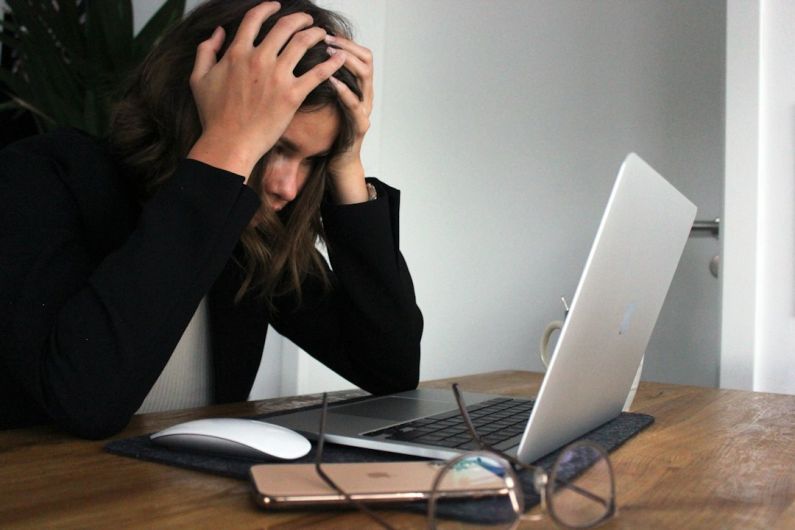
We live in a fast-paced world filled with constant demands and pressures that can easily lead to stress. Whether it’s work-related stress, relationship issues, financial worries, or health concerns, stress can take a toll on our mental and physical well-being. However, there are effective ways to reduce stress and promote a sense of calm and balance in our lives.
Identify the Sources of Stress
The first step in effectively managing stress is to identify the sources of stress in your life. Take some time to reflect on what triggers your stress response. Is it work deadlines, family conflicts, or personal insecurities? By pinpointing the root causes of your stress, you can develop targeted strategies to address them.
Practice Mindfulness and Meditation
Mindfulness and meditation are powerful tools for reducing stress and promoting relaxation. Mindfulness involves paying attention to the present moment without judgment, while meditation focuses on calming the mind and body through deep breathing and focused attention. These practices can help you cultivate a sense of inner peace and resilience in the face of stressors.
Engage in Physical Activity
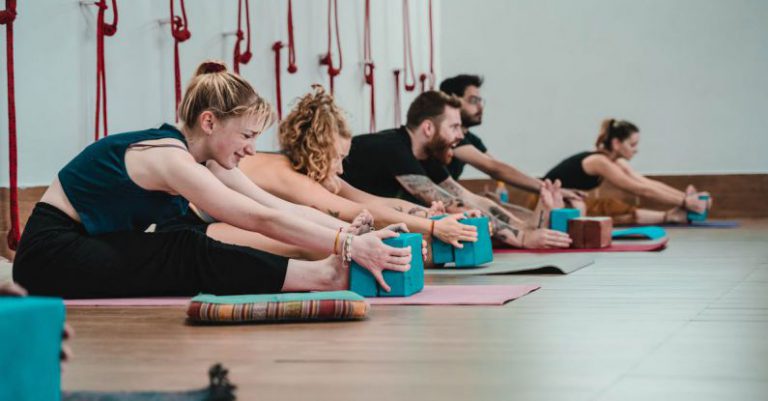
Exercise is a great way to reduce stress and improve your overall well-being. Physical activity releases endorphins, which are chemicals in the brain that act as natural painkillers and mood elevators. Whether it’s going for a run, practicing yoga, or taking a dance class, find an activity that you enjoy and make it a regular part of your routine to combat stress.
Connect with Others
Social support is essential for managing stress and maintaining emotional balance. Reach out to friends, family members, or a therapist for support and guidance during difficult times. Talking about your feelings and experiences with others can provide perspective and validation, helping you feel less isolated and overwhelmed.
Prioritize Self-Care
Self-care is crucial for reducing stress and nurturing your overall well-being. Make time for activities that bring you joy and relaxation, such as reading a book, taking a bath, or spending time in nature. Remember to prioritize your physical and emotional needs, and don’t hesitate to set boundaries to protect your mental health.
Practice Deep Breathing Techniques
Deep breathing techniques are a simple yet effective way to calm the mind and body during times of stress. Take a few moments to focus on your breath, inhaling deeply through your nose and exhaling slowly through your mouth. This practice can help reduce tension and promote a sense of relaxation in stressful situations.
Engage in Hobbies and Creative Outlets
Engaging in hobbies and creative outlets can be a therapeutic way to reduce stress and express your emotions. Whether it’s painting, gardening, playing an instrument, or cooking, find activities that allow you to channel your energy and creativity in a positive way. These pursuits can serve as a form of self-expression and provide a much-needed break from daily stressors.
Create a Relaxation Routine
Establishing a relaxation routine can help you unwind and de-stress after a long day. Whether it’s practicing yoga before bed, listening to calming music, or taking a warm bath, find activities that help you relax and transition into a restful state. Consistency is key, so make time for relaxation rituals regularly to maintain a sense of balance in your life.
Conclusion: Embrace the Power of Stress Management
In conclusion, stress is an inevitable part of life, but how we respond to it can make a significant difference in our well-being. By identifying the sources of stress, practicing mindfulness and meditation, engaging in physical activity, connecting with others, prioritizing self-care, practicing deep breathing techniques, engaging in hobbies and creative outlets, and creating a relaxation routine, you can effectively reduce stress and cultivate a sense of calm and resilience. Embrace the power of stress management and empower yourself to navigate life’s challenges with grace and strength.