How to Make Your Own Perfume from Natural Ingredients?
Creating your very own signature scent can be a fun and fulfilling experience that allows you to express your unique personality through fragrance. Making your own perfume from natural ingredients not only gives you control over what you’re putting on your skin but also allows you to customize a scent that is truly one-of-a-kind. With a few simple steps and some creativity, you can craft a beautiful perfume that reflects your individual style and preferences.
Choosing Your Base Oils
The first step in creating your own perfume is selecting the base oils that will form the foundation of your scent. Base oils are crucial because they help to carry and stabilize the fragrance of the essential oils you’ll be adding later. Some popular base oils to consider include jojoba oil, coconut oil, and sweet almond oil. These oils not only have a neutral scent but also blend well with most essential oils, making them ideal for creating a balanced perfume.
Selecting Essential Oils
Once you have chosen your base oils, it’s time to select the essential oils that will provide the main aromatic notes of your perfume. Essential oils come in a wide variety of scents, from floral and citrusy to woody and spicy. Experiment with different combinations to find a blend that resonates with you. Some popular essential oils to consider include lavender, rose, bergamot, patchouli, and sandalwood. Keep in mind that essential oils vary in intensity, so you may need to adjust the quantities to achieve the desired strength of each note in your perfume.
Creating Your Scent
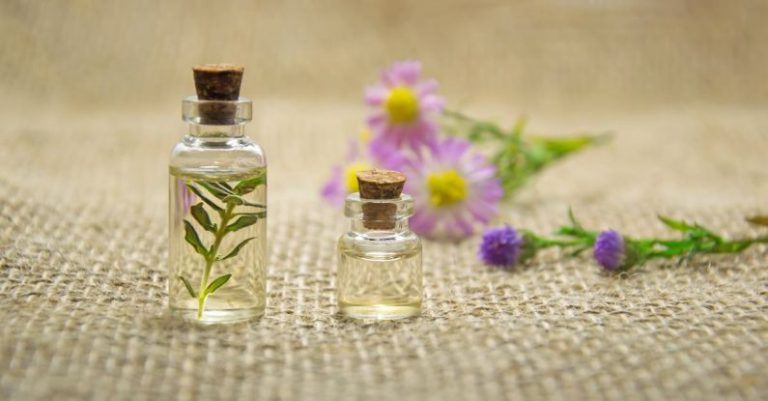
To create your perfume, start by mixing your chosen base oils in a clean glass bottle. You can use a dropper or pipette to measure out the oils and combine them in the desired proportions. Once you have your base oil blend, begin adding drops of your selected essential oils one at a time, starting with the oils that have the strongest scents. Remember that a little goes a long way with essential oils, so start with a small number of drops and test the scent as you go.
Allowing Your Perfume to Mature
After you have created your perfume blend, let it sit and mature for at least a few days to allow the scents to meld together and develop fully. Keep your perfume in a cool, dark place away from direct sunlight to prevent the oils from degrading. During this time, periodically check on the scent to see how it evolves and adjust the proportions of the essential oils if needed to achieve the perfect balance.
Storing Your Perfume
Once your perfume has matured to your liking, transfer it to a dark glass bottle to protect it from light and air, which can degrade the oils. Make sure to label the bottle with the date of creation and the ingredients used so that you can recreate the scent if you wish. Store your perfume in a cool, dry place and away from extreme temperatures to prolong its shelf life.
Expressing Your Individuality
Creating your own perfume from natural ingredients is a creative and personal process that allows you to express your individuality in a unique way. By experimenting with different base oils and essential oil combinations, you can craft a scent that is truly your own. Whether you prefer a floral, fruity, or earthy fragrance, making your own perfume allows you to tailor the scent to suit your preferences and personality. Embrace the art of perfumery and enjoy the satisfaction of wearing a fragrance that is as unique as you are.