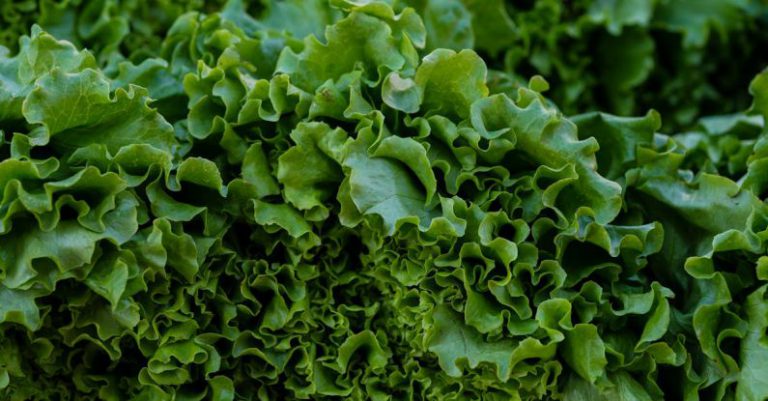

How to Create a Balanced Meal Plan?
Creating a Balanced Meal Plan
Maintaining a balanced meal plan is essential for overall health and well-being. A well-rounded diet provides the necessary nutrients to fuel the body, support optimal functioning, and prevent illness. However, with busy schedules and endless food options, it can be challenging to consistently make healthy choices. By following these simple guidelines and tips, you can easily create a balanced meal plan that meets your nutritional needs and tastes delicious.
Understanding the Basics
Before diving into meal planning, it’s crucial to understand the basics of a balanced diet. A balanced meal plan typically includes a variety of foods from all the major food groups: fruits, vegetables, lean proteins, whole grains, and healthy fats. Each of these food groups offers essential nutrients that the body needs to function properly. By incorporating a variety of foods into your meals, you can ensure that you are getting a wide range of vitamins, minerals, and other important nutrients.
Focus on Portion Control
Portion control plays a significant role in creating a balanced meal plan. It’s essential to pay attention to the serving sizes of different foods to avoid overeating and consuming excess calories. One helpful tip is to use measuring cups or a food scale to portion out your meals accurately. Additionally, listening to your body’s hunger cues and stopping eating when you are satisfied can help prevent overeating and promote better digestion.
Include a Variety of Colors
A simple way to ensure that your meals are balanced and nutritious is to include a variety of colors on your plate. Different colored fruits and vegetables contain unique vitamins, minerals, and antioxidants that offer various health benefits. Aim to include a rainbow of colors in your meals to maximize the nutritional content and make your plate visually appealing. For example, add red bell peppers, orange carrots, green spinach, and purple eggplant to your stir-fry for a vibrant and nutrient-dense meal.
Plan Ahead and Prep
One of the keys to success in creating a balanced meal plan is to plan ahead and prep your meals in advance. Set aside time each week to plan out your meals, create a grocery list, and prep ingredients. Having healthy meals and snacks readily available can help you avoid reaching for processed or unhealthy options when you’re short on time or energy. Consider batch cooking grains, proteins, and vegetables to mix and match throughout the week for quick and easy meal assembly.
Balance Macronutrients
In addition to including a variety of foods in your meal plan, it’s essential to balance your macronutrients—carbohydrates, proteins, and fats. Each of these macronutrients plays a unique role in the body and is necessary for overall health. Aim to include a source of each macronutrient in your meals to provide sustained energy, support muscle growth and repair, and maintain hormone balance. For example, pair grilled chicken with quinoa and avocado for a well-rounded meal that includes all three macronutrients.
Choose Whole Foods
When creating a balanced meal plan, prioritize whole foods over processed options whenever possible. Whole foods, such as fruits, vegetables, whole grains, lean proteins, and healthy fats, are minimally processed and retain their natural nutrients. In contrast, processed foods often contain added sugars, unhealthy fats, and artificial ingredients that can negatively impact your health. Opt for whole foods to maximize the nutritional content of your meals and support your overall well-being.
Experiment with Flavors and Textures
Creating a balanced meal plan doesn’t have to be boring or bland. Experimenting with different flavors, textures, and cooking methods can help keep your meals exciting and enjoyable. Try incorporating fresh herbs, spices, citrus zest, and vinegars to add depth and complexity to your dishes. Mix crunchy vegetables with creamy sauces or tender proteins with chewy grains to create a variety of textures in your meals. By exploring new ingredients and cooking techniques, you can elevate your meal plan and make healthy eating a delicious experience.
Conclusion: Embrace the Journey to Balanced Eating
In conclusion, creating a balanced meal plan is an ongoing journey that requires dedication, planning, and flexibility. By understanding the basics of nutrition, focusing on portion control, including a variety of colors, planning ahead, balancing macronutrients, choosing whole foods, and experimenting with flavors and textures, you can easily create a meal plan that supports your health and well-being. Remember that healthy eating is not about perfection but about making consistent, mindful choices that nourish your body and soul. Embrace the process of creating a balanced meal plan, enjoy the journey, and reap the benefits of feeling your best every day.