How to Design and Print Your Own Fabric at Home?
Creating your own custom-designed fabric can be a fun and rewarding way to showcase your creativity and personalize your projects. With advancements in technology and the availability of affordable tools, designing and printing your own fabric at home has become more accessible than ever. Whether you’re a seasoned crafter or just starting out, here are some tips on how to design and print your own fabric at home.
Choosing the Right Fabric and Tools
Before diving into the design process, it’s essential to select the right fabric and tools for your project. Cotton and linen fabrics are popular choices for DIY fabric printing due to their absorbency and durability. When it comes to tools, you’ll need fabric-friendly ink, a computer with design software, a printer, and fabric sheets that are compatible with your printer. Make sure to read the instructions on the fabric sheets to ensure proper printing results.
Designing Your Fabric
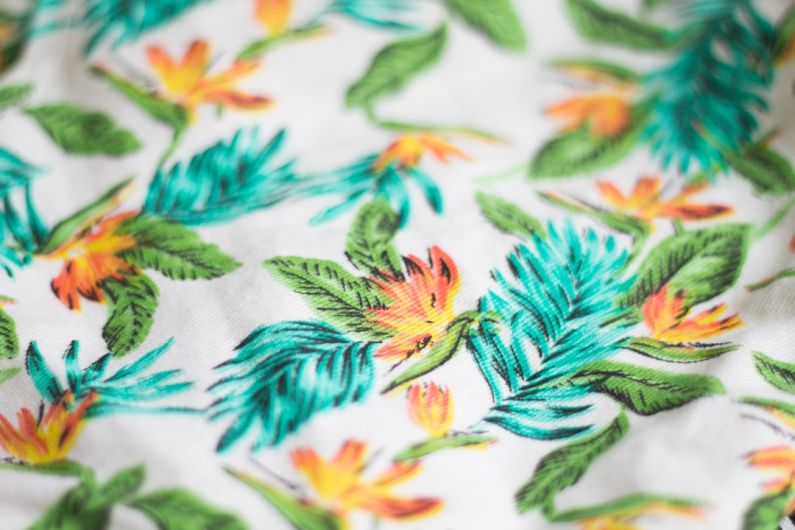
The first step in creating your custom fabric is designing the pattern or image you want to print. Whether you’re using a pre-existing design or creating your own, digital design software such as Adobe Photoshop or Illustrator can help bring your vision to life. Experiment with different colors, shapes, and textures to achieve the desired look for your fabric. Remember that the design will be repeated across the fabric, so consider how the pattern will look when tiled.
Printing Your Fabric
Once you’ve finalized your design, it’s time to print it onto the fabric sheets. Before printing, make sure to adjust the printer settings to match the fabric sheet’s specifications and ensure accurate color reproduction. It’s a good idea to do a test print on a regular piece of paper to check the design and colors before printing on the fabric sheet. Once you’re satisfied with the test print, load the fabric sheet into the printer and hit print.
Setting the Ink
After printing, let the fabric sheet dry completely before setting the ink. To set the ink and make it washable, heat is typically used. You can either use an iron or a heat press machine to heat-set the ink. Follow the instructions provided with the fabric sheets for the recommended temperature and duration for heat setting. Once the ink is set, your custom-designed fabric is ready to be used for your sewing or crafting projects.
Tips for Successful Fabric Printing
To ensure the best results when designing and printing your own fabric at home, here are some additional tips to keep in mind:
– Use high-resolution images for crisp and clear prints.
– Consider the color fastness of the ink to prevent fading when washing.
– Test different printing settings and fabric sheets to find what works best for your design.
– Experiment with different design techniques, such as hand-drawing or digital collage, to create unique fabric prints.
– Have fun and let your creativity shine through in your fabric designs.
Incorporating Your Custom Fabric into Projects
Once you’ve printed your custom-designed fabric, the possibilities are endless for how you can incorporate it into your projects. Whether you’re making clothing, home decor items, accessories, or quilts, your unique fabric can add a personal touch to your creations. Mix and match your custom fabric with other fabrics to create one-of-a-kind pieces that reflect your style and creativity.
Embracing the DIY Fabric Printing Journey
Designing and printing your own fabric at home opens up a world of possibilities for expressing your creativity and making truly unique projects. With the right tools, materials, and techniques, you can bring your design ideas to life and elevate your crafting endeavors. So, roll up your sleeves, unleash your imagination, and start creating your own custom fabric today. Let your DIY fabric printing journey be a reflection of your individuality and artistic flair.