What Are the Best Fabrics for Homemade Clothing?
When it comes to creating homemade clothing, choosing the right fabric is crucial. The type of fabric you select can greatly impact the comfort, look, and durability of your garment. With so many options available, it can be overwhelming to decide which fabrics are best suited for your DIY clothing projects. In this article, we will explore some of the best fabrics for homemade clothing, considering factors like ease of use, versatility, and overall quality.
Understanding Fabric Qualities
Before delving into specific fabric types, it’s important to understand the qualities that make a fabric suitable for homemade clothing. When selecting fabrics for your projects, consider factors such as breathability, stretch, drape, and durability. Breathable fabrics are essential for comfort, especially in garments worn close to the skin. Fabrics with stretch are easier to work with and provide a better fit. Drape refers to how a fabric hangs or falls, which can affect the overall look of the garment. Lastly, durability is key for ensuring that your homemade clothing withstands repeated wear and washing.
Cotton: A Versatile Favorite
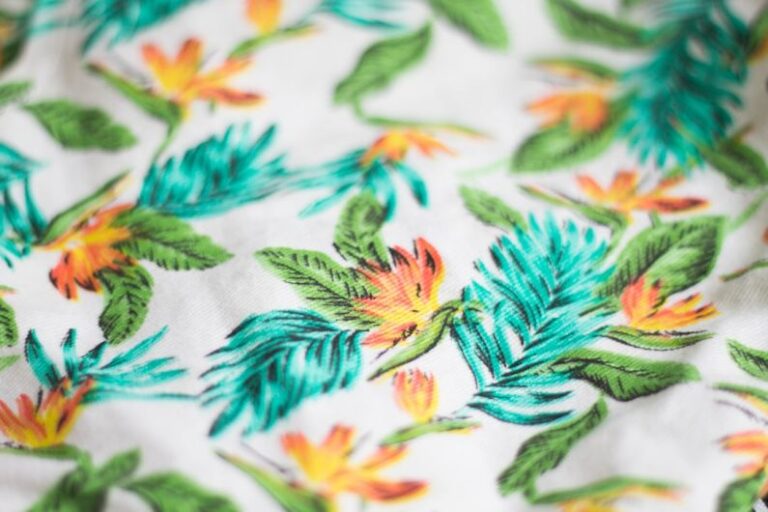
Cotton is a popular choice for homemade clothing due to its versatility and comfort. This natural fiber is breathable, soft, and easy to work with, making it suitable for a wide range of garments. Cotton can be used for anything from casual t-shirts to flowy dresses, making it a go-to option for many DIY enthusiasts. Additionally, cotton is durable and can withstand regular washing, making it a practical choice for everyday clothing.
Linen: Lightweight and Breathable
Linen is another natural fiber that is prized for its lightweight and breathable qualities. This fabric is ideal for creating summer clothing due to its airy feel and ability to wick moisture away from the body. While linen can be prone to wrinkling, many people appreciate the relaxed, casual look that wrinkles can add to garments. Linen is a great choice for making breezy tops, skirts, and dresses that are perfect for warm weather.
Silk: Luxurious and Elegant
For those looking to add a touch of luxury to their homemade clothing, silk is an excellent choice. Silk is a natural protein fiber known for its smooth texture and elegant drape. While silk can be more challenging to work with than other fabrics, the end result is often worth the effort. Silk is perfect for creating special occasion garments such as blouses, dresses, and evening wear. When working with silk, be sure to use sharp scissors and take care to handle the fabric gently to avoid snags or runs.
Denim: Classic and Durable
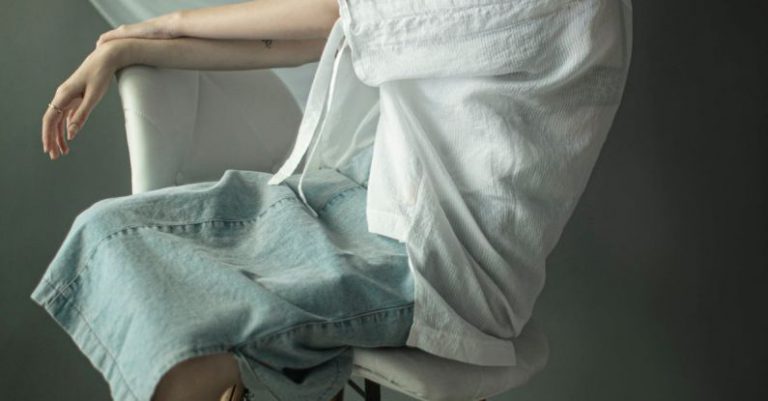
Denim is a sturdy cotton twill fabric that is synonymous with classic, casual style. This durable fabric is commonly used for making jeans, jackets, and skirts due to its rugged texture and long-lasting qualities. Denim comes in various weights and finishes, allowing you to choose the perfect type for your homemade clothing projects. While denim can be a bit more challenging to sew than lighter fabrics, the effort is well worth it for the timeless, versatile garments you can create.
Conclusion: Experiment and Explore
When it comes to choosing fabrics for homemade clothing, the key is to experiment and explore. While the fabrics mentioned above are popular choices, don’t be afraid to try new materials and blends to see what works best for your unique style and projects. Remember to consider factors like breathability, stretch, drape, and durability when selecting fabrics, and don’t be afraid to mix and match different textures and weights to create one-of-a-kind garments. With a bit of creativity and a willingness to try new things, you can create homemade clothing that is both stylish and comfortable.